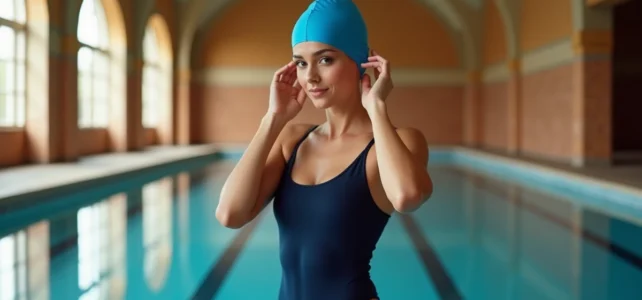
The swim cap is mandatory equipment in almost all municipal swimming pools in Paris, and the Butte aux Cailles pool is no exception. This rule, often seen as a constraint by occasional swimmers, addresses technical requirements related to water filtration and pool maintenance. Understanding why this obligation exists and how to comply with it avoids unpleasant surprises at the entrance.
Why the cap protects the pool filters, not just the hair
Most bathers associate the swim cap with a matter of hair hygiene. The reality is more mechanical than that. Loose hair in the water detaches, migrates to the skimmers and suction grates, and eventually clogs the pre-filters of the circulation system.
In a pool like Butte aux Cailles, which accommodates large numbers of swimmers across several pools (indoor, outdoor, children’s pool), this phenomenon is amplified. A clogged pre-filter reduces the filtration flow and necessitates more frequent maintenance interventions, which can lead to temporary closures of swimming lanes.
The cap thus acts as a filter upstream of the filter. It retains the majority of hair and also limits the dispersion of cosmetic residues (gel, hairspray, oils) that react with chlorine and degrade the chemical quality of the water. For swimmers with long hair, the effect is even more pronounced: a single swim without a cap can release several dozen hairs into the pool.
The regulation that makes the swim cap mandatory at the Butte aux Cailles pool is part of this operational logic, common to all pools managed by the City of Paris.
Dress code at the Butte aux Cailles pool: what is allowed and what is not
The cap is not the only piece of equipment checked at the entrance. The internal regulations of Parisian pools impose a set of dress code rules that staff verify before access to the pools.
Swimsuit: the fitted rule
Swim shorts, bermudas, and loose swimsuits are not allowed. The swimsuit must be fitted to the body, whether it is a brief, swim boxer, or one-piece suit. Testimonies from swimmers at Butte aux Cailles report refusals for swimsuits deemed too loose, even if they were accepted in other Parisian pools. The assessment can vary from one lifeguard to another, which regularly generates frustration.
Cap: material and coverage
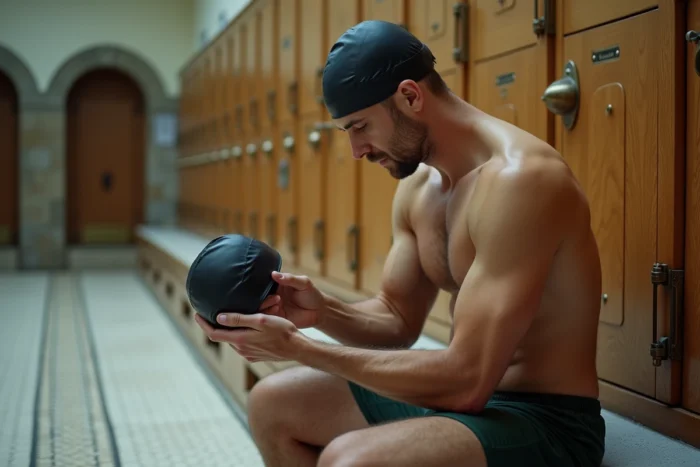
Any cap that covers the entire head of hair is accepted. Silicone, latex, or fabric models are all suitable, provided they keep the hair inside. A headband or elastic does not replace a cap. People with very short hair are sometimes asked to wear a cap nonetheless: the rule applies regardless of hair length.
Here are the items checked at the entrance to the pools:
- Swim cap covering the entire head of hair, regardless of hair length
- Fitted swimsuit (no shorts, bermudas, or loose clothing)
- Mandatory shower and footbath before accessing the pool
- No bulky jewelry or unauthorized accessories in the water
Swim caps in municipal pools: choosing the right model
Not all caps are created equal in terms of comfort and durability, even if the regulations do not impose any specific brand or material.
The silicone cap remains the most common among regular swimmers. It withstands chlorine well, does not pull hair when putting it on, and lasts several seasons with minimal maintenance. Its only drawback: it can compress the head uncomfortably for those who are not used to it.
The latex cap is cheaper but degrades faster when in contact with chlorine. It sticks more to the hair and can cause reactions in people allergic to latex. For occasional use, it serves its purpose, but it tears easily after a few sessions.
The fabric cap (lycra or polyester) offers superior comfort and slips on effortlessly. However, it lets water through and protects hair less effectively from chlorine. Some establishments accept them, while others refuse them because they hold hair less effectively. At Butte aux Cailles, fabric caps are generally tolerated as long as they adequately cover the entire head of hair.
Heatwave and crowds: the cap remains mandatory even during extended access
During heatwaves, several French municipalities open their municipal pools on an emergency basis or extend hours to allow the public to cool off. These exceptional openings are always accompanied by a reminder: the wearing of a swim cap remains mandatory to access the pools, even during heatwaves.
For occasional swimmers who only go to the pool during these heat peaks, the surprise is frequent. Without a cap, access to the pool is simply denied. Some pools offer caps for sale on-site, but this is not guaranteed everywhere. It’s better to slip one into your bag before leaving.
At Butte aux Cailles, the last bathers are welcomed forty-five minutes before closing, and the evacuation of the outdoor pool also begins forty-five minutes before the closing time. The indoor pool is evacuated thirty minutes before. These times do not change during heatwaves, which reduces the effective swimming window for late arrivals.
The swim cap at the Butte aux Cailles pool is neither an administrative whim nor a relic of another time. It is a technical constraint directly related to the operation of filtration systems, which applies equally to Sunday swimmers and regular lane users. Keeping a silicone cap in your swimming bag remains the simplest way to avoid an unnecessary round trip.