Your blood pressure, heart rate, or even certain inflammatory markers could soon be captured without you having to do anything. No blood tests, no appointments: just sitting in a chair or passing by a sensor at a pharmacy.
Everyday health is changing its logic. We are no longer just talking about eating better or moving more, but about detecting clinical signals before symptoms appear, directly at home or at the point of sale.
Passive health monitoring: capturing data without patient effort
Have you noticed that most health advice relies on your willpower? Eat better, walk more, sleep eight hours. The problem is that these recommendations assume constant discipline. Passive monitoring takes a different approach.
The principle is simple: a device measures your physiological constants while you do something else. The Smart Seat, introduced in 2026, illustrates this shift. This seat captures several physiological indicators without user action. You sit down, and the device records useful data for medical follow-up.
This approach is particularly interesting for elderly individuals, those living alone, or those who do not consult regularly. Rather than waiting for a health issue to trigger a care pathway, the signal automatically goes to a healthcare professional. Organizations like https://www.actesante.fr/ centralize resources related to these new prevention and coordinated care pathways.
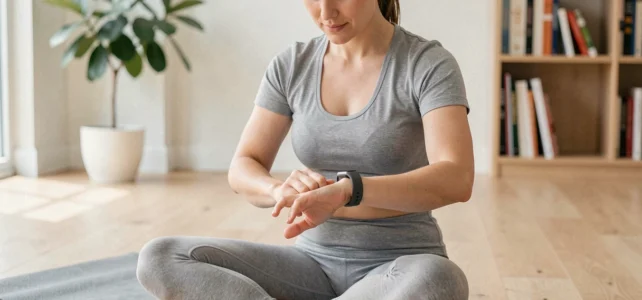
The difference with a traditional connected bracelet lies in the complete lack of patient involvement. No charging, no app to open, no data to interpret yourself. Prevention becomes invisible and integrated into the environment.

Home screening and chronic disease prevention
Health prevention is no longer limited to office exams. A concrete shift is occurring towards home screening, supervised by professionals.
A telling example: the home self-collection HPV pilot. The principle is to send a sampling kit to the patient, who performs the procedure at home before returning the sample for analysis. This device is integrated into a real care pathway, with medical follow-up in case of a positive result.
Why does this type of innovation change the game? Because it reaches populations that do not travel to screening centers. Women in rural areas, people with reduced mobility, or those who indefinitely postpone a medical appointment can thus access a concrete preventive action.
What home screening changes in the care pathway
- The patient no longer needs to travel for the first step of screening, reducing dropouts related to distance or lack of time
- The result is sent directly to the primary care physician, who directs to further examination if necessary
- The cost for the healthcare system decreases compared to organized screening in a center, while maintaining the clinical reliability of the sample
Screening moves out of the medical office and into everyday life. This is not wellness; it’s accessible preventive medicine.
Connected devices in nursing homes and rural areas: the Epoca example
Innovations in connected health do not only target urban dwellers equipped with smartwatches. VYV3 deployed the Epoca device in 2025 in five territorial resource centers and four nursing homes. The target: elderly individuals with chronic illnesses or acute pain in rural areas.
Epoca addresses a specific problem. In areas with few healthcare professionals, the time between the onset of a symptom and its management can stretch over several weeks. The device allows for regular monitoring without travel, with data transmission to a care team.
Why rural areas benefit the most from these tools
In the city, a patient can see their doctor within a few days. In rural areas, medical density complicates everything. Nursing homes located far from hospitals often lack staff to ensure close monitoring of the most vulnerable residents.
A device like Epoca does not replace the doctor. It sends actionable clinical alerts before a situation deteriorates. For an elderly person suffering from heart failure, for example, detecting an abnormal variation in certain parameters can prevent an emergency hospitalization.

Everyday health tips: what remains effective beyond technology
Passive monitoring devices and home screening are transforming prevention. But they do not replace the fundamentals that each person can apply without any equipment.
Reducing tobacco use remains the most cost-effective preventive measure in terms of reducing risks of cardiovascular diseases and cancers. No connected sensor can compensate for the effects of daily smoking on the body.
Mental health deserves the same attention. Chronic stress increases the risks of cardiovascular disorders and weakens the immune system. A few concrete guidelines help structure a routine without falling into the wellness injunction:
- Maintain a regular sleep schedule, including on weekends, to stabilize the circadian cycle
- Prefer minimally processed foods daily rather than following a restrictive diet occasionally
- Incorporate moderate but regular physical activity, even in the form of daily walking, for its effects on longevity and mental health
- Keep active social connections, a documented factor in reducing the risk of cognitive decline
These actions are not spectacular. Their effectiveness relies on consistency, not intensity.
The convergence between these simple habits and new passive monitoring tools outlines a more comprehensive prevention model. The signals captured by a device are useless if the lifestyle accelerates health deterioration. Technology detects, but it is daily life that protects.